Free education, School students, Uttarakhand education: In a welcome move for thousands of families in Nainital district, the education department has taken a step that could make a real difference in classrooms. For the upcoming academic session, students will not only receive free textbooks but also notebooks, reducing the burden on parents and ensuring that children have all the basic study materials from day one.
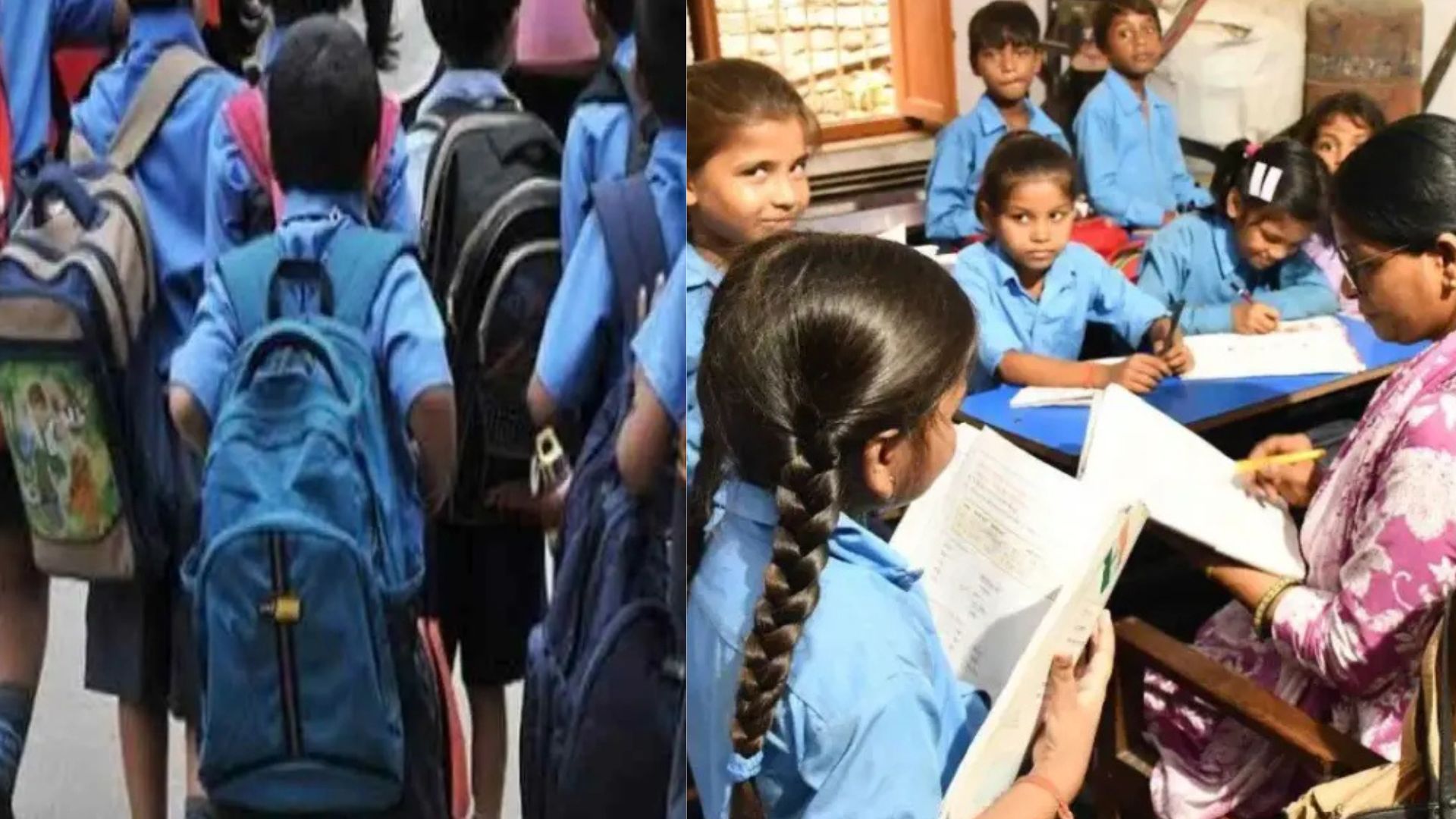
According to officials, this initiative will be implemented in all government and government aided schools. Students studying in these schools will now receive notebooks along with their free NCERT textbooks. The aim is simple yet powerful, to ensure that no child struggles due to lack of basic educational resources.
The distribution has been planned according to classes to meet students needs effectively. Children from class 1 to 2 will receive 2 notebooks each, those in class 3 to 5 will get 3 notebooks, and students from class 6 to 12 will be provided with 5 notebooks. This structured approach ensures that students across age groups have adequate material for their studies.
Focus on Equal Education Opportunities
This step is expected to benefit especially those children who come from economically weaker backgrounds. For many families, even basic school supplies can become a financial burden. By providing notebooks free of cost, the government is trying to create a more equal learning environment where every child gets a fair chance to study and grow.
Officials believe that such initiatives do more than just provide materials. When students receive complete study kits, it encourages regular attendance and improves engagement in classrooms. Earlier efforts like free textbook distribution had already shown positive results, and adding notebooks is expected to strengthen the overall teaching learning process further.
Sometimes, meaningful change begins with small steps. By ensuring that students have both books and notebooks, the education department is not just distributing supplies but building confidence among children. In the classrooms of Uttarakhand, this initiative could quietly shape better learning outcomes and brighter futures.