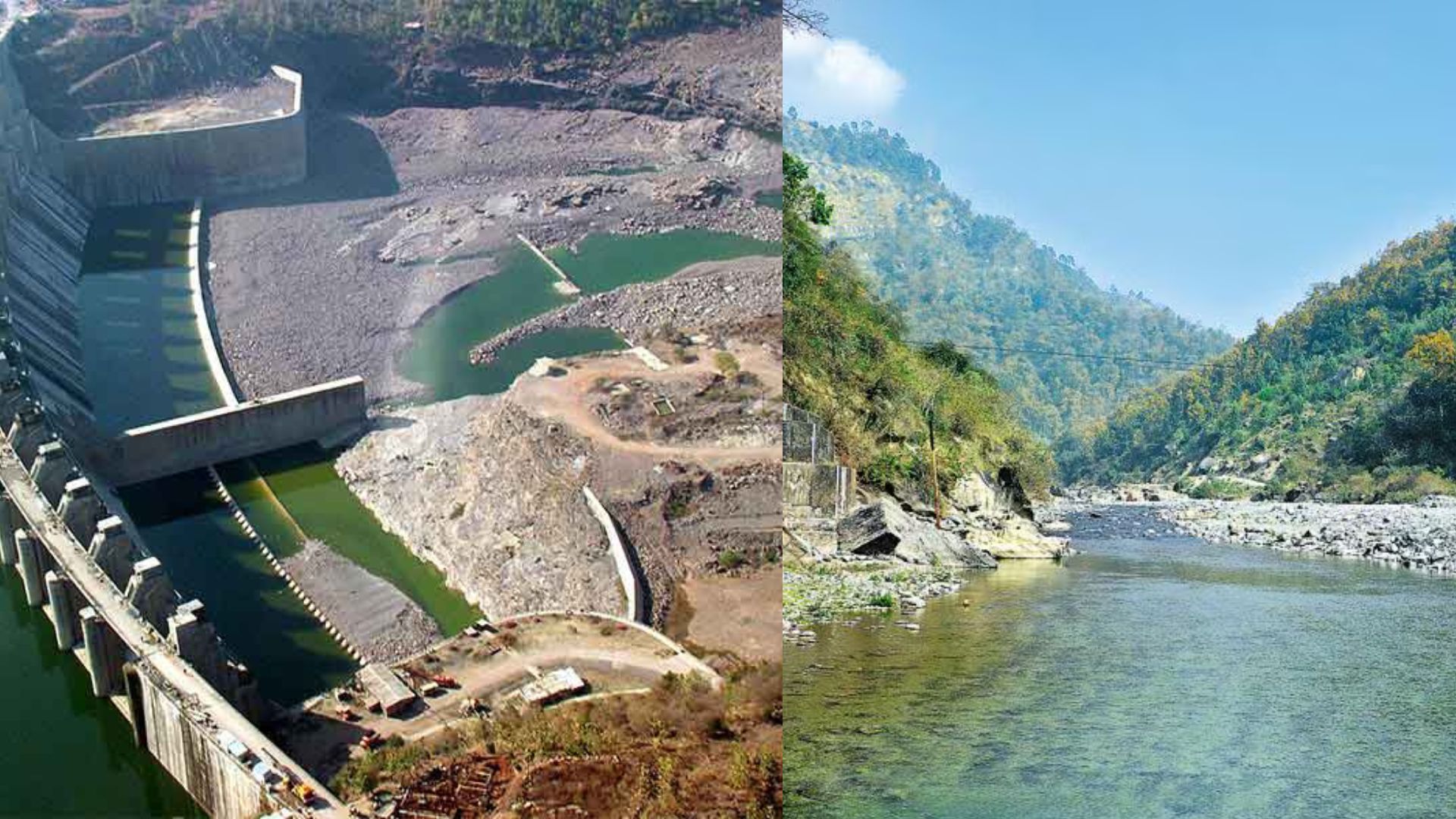
Jamrani dam, Wildlife corridor, Water supply: In the growing plains of Bareilly and Rampur, water has always been a lifeline. Now, a major step from the hills of Uttarakhand promises to reshape this future. The Jamrani Dam project, long discussed and awaited, is not only set to supply water to these regions but is also emerging as a model where development walks hand in hand with wildlife conservation. The story of this dam is not just about infrastructure, but about balance between human needs and nature.
Water for Cities A Lifeline from the Hills
The Jamrani Dam, being constructed on the Gola river in Nainital district, will provide irrigation, drinking water, and electricity to multiple regions in Uttarakhand and Uttar Pradesh. Districts like Bareilly and Rampur are expected to benefit significantly, especially in terms of water availability for agriculture and daily use. The project aims to bring thousands of hectares of land under irrigation while also supplying drinking water to a large population.
A Project of Scale and Impact
With an estimated cost of thousands of crores, the multipurpose dam is designed to transform both hill and plain regions. It will not only improve irrigation facilities but also generate electricity and strengthen water supply systems. Reports suggest that over 57000 hectares of land will come under irrigation, benefiting farmers across states and improving agricultural productivity.
Wildlife Corridors A Key Concern Addressed
One of the biggest challenges in such large scale projects is their impact on wildlife. The Jamrani Dam area lies close to important forest regions and natural wildlife movement paths. Authorities have taken this into consideration and ensured that wildlife corridors are protected. Measures are being planned so that animals can continue to move freely without disruption, maintaining ecological balance even as development progresses.
Balancing Forest Loss and Environmental Protection
The project does involve the use of forest land, with hundreds of hectares coming under its scope. However, environmental safeguards and compensatory measures are being implemented to reduce long term impact. Efforts are being made to ensure that forest loss is balanced through planned afforestation and ecological restoration.
Beyond Water A Future of Growth and Stability
The Jamrani Dam is expected to benefit more than ten lakh people by improving water access and supporting agriculture. It also holds the potential to boost local economies and create new opportunities in the region. At the same time, its focus on protecting wildlife paths highlights a progressive approach where infrastructure does not come at the cost of nature.
Conclusion A Model for Sustainable Development
As the project moves forward, it represents a larger vision where development and conservation coexist. From the hills of Uttarakhand to the plains of Uttar Pradesh, the Jamrani Dam is becoming a symbol of how thoughtful planning can ensure that both people and wildlife thrive together.