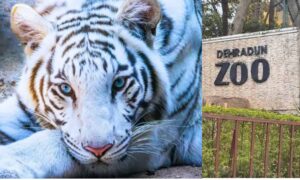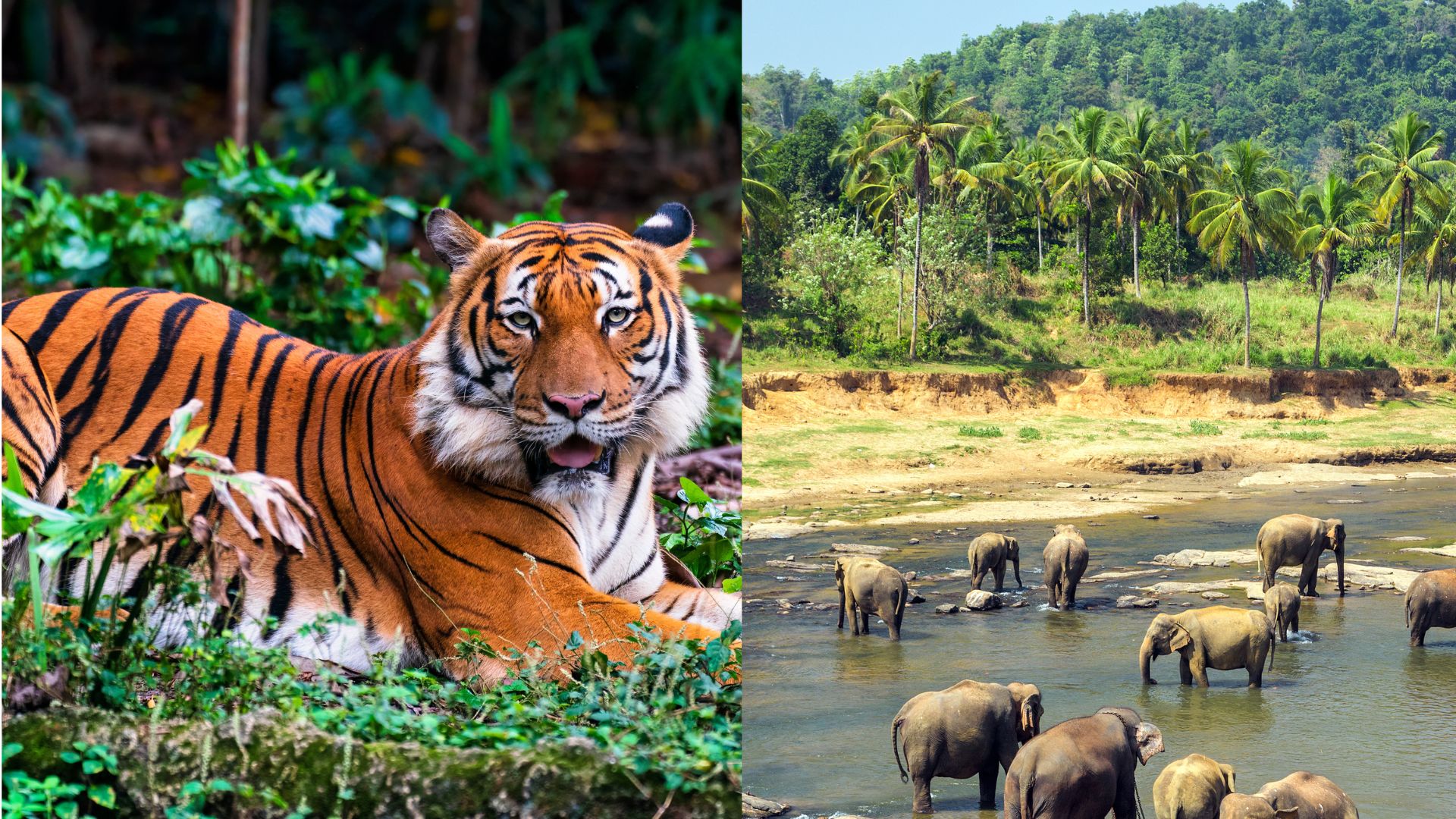
Wildlife: Tiger and Elephant Population rise: Wildlife of Uttarakhand: Wildlife conservation and ecological protection are taking spotlight in Uttarakhand as the state earns a new reputation for the successful revival and growth of its wild animal populations. According to recent reports the rich forests and protected areas across the state have become safer habitats for tigers, elephants, snow leopards and several other species. These conservation efforts reflect sustained work by forest authorities, wildlife experts and community engagement to preserve biodiversity in the Himalayan foothills.
Tigers Thriving in Protected Areas
One of the most encouraging signs for wildlife in Uttarakhand is the increasing tiger population in several forest divisions and reserves including Jim Corbett and Rajaji Tiger Reserves. Recent camera trap images and census estimates show growing activity of tigers in their natural habitats pointing towards a healthier and expanding tiger population. These gains are part of broader national tiger conservation efforts that monitor and protect critical habitats across the state.
Elephants and Other Species on the Rise
Alongside tigers the Asian elephant population in Uttarakhand has also shown positive trends. The state now ranks among the top regions in India for elephant numbers according to wildlife estimation data. A larger elephant population indicates a well functioning ecosystem because elephants require extensive forest corridors and water resources to thrive. Besides these mega mammals smaller species such as snow leopards have been sighted at altitudes above fourteen thousand feet suggesting that remote highlands are being better protected and monitored.
Conservation Challenges and Sustainable Efforts
Despite these positive developments increased wildlife numbers also bring new challenges especially where animals begin moving outside protected areas and closer to human settlements. Forest officials note that growing populations mean that corridors and buffer zones must be managed carefully to reduce human wildlife conflict while ensuring animal safety. Conservationists emphasize the need for continued habitat protection, scientific monitoring and community involvement to sustain this progress without compromising human livelihoods.